Socialization Guide: The Complete Guide to Properly Socializing Your Dog
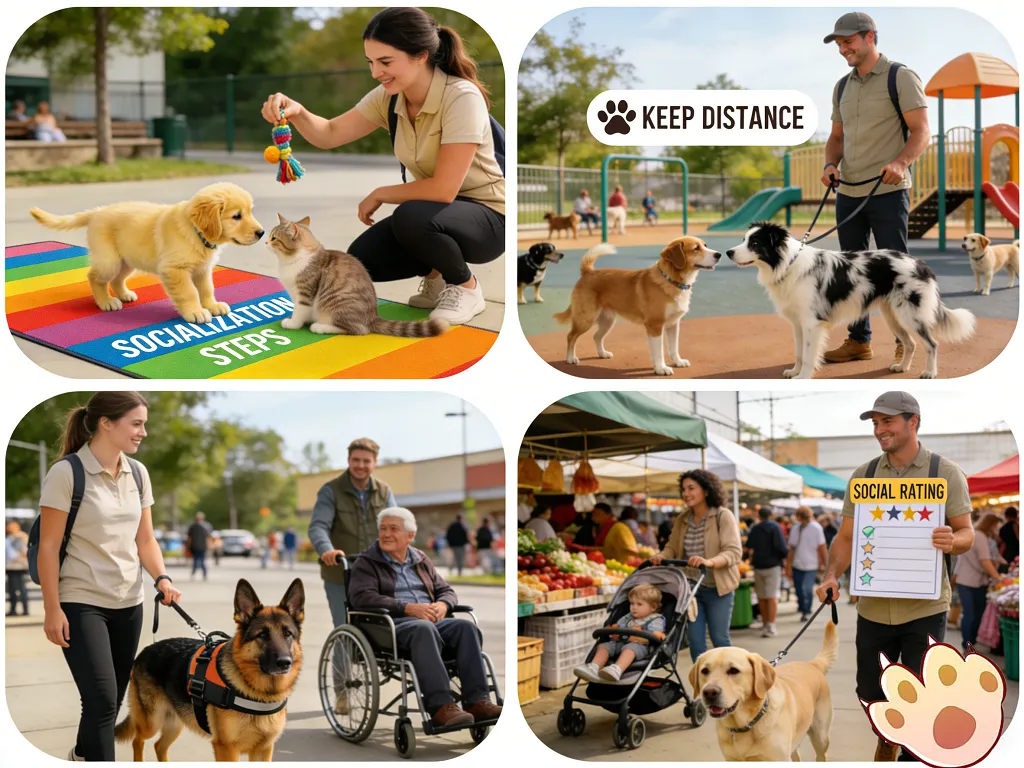
Proper socialization builds confidence and prevents behavior problems throughout a dog's life
The Complete Guide to Properly Socializing Your Dog
Proper socialization is the single most important factor in raising a well-adjusted, confident dog. This comprehensive guide covers critical developmental periods, exposure techniques, creating positive associations, and continuing socialization through adulthood to prevent behavior problems and ensure your dog thrives in our human world.
"Socialization isn't about forcing interactions—it's about creating positive associations with the world. A well-socialized dog isn't necessarily the most outgoing, but one who can navigate new experiences with confidence and resilience."
— Dr. Sarah Chen, Veterinary Behaviorist
Understanding Critical Developmental Periods
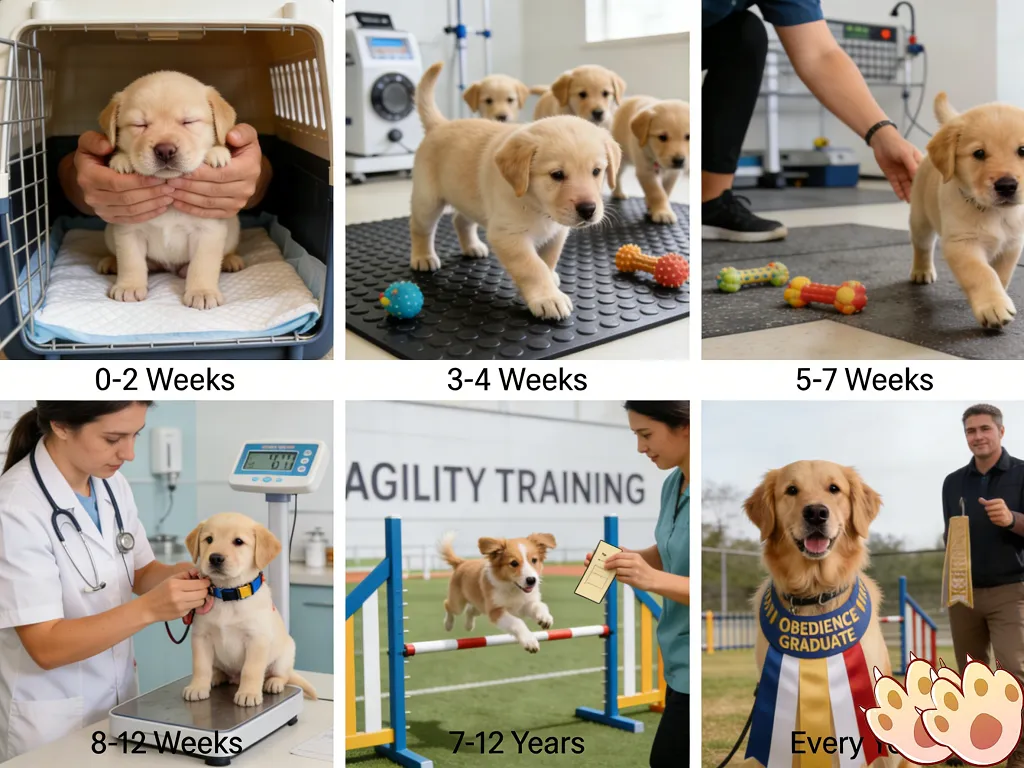
Each developmental stage presents unique socialization opportunities and challenges
| Age Period | Developmental Focus | Socialization Goals | Key Experiences Needed | Common Mistakes to Avoid |
|---|---|---|---|---|
| 3-12 Weeks (Primary Socialization) |
Rapid brain development, forming lasting impressions | Positive exposure to people, animals, environments | Handling, novel surfaces, household sounds, gentle people/dogs | Isolation, negative experiences, overwhelming stimuli |
| 12-16 Weeks (Fear Impact Period) |
Increased sensitivity, lasting fear memories form | Gentle, positive exposures, build confidence | Continued novel experiences at dog's pace, positive reinforcement | Forcing scary situations, punishment during fear responses |
| 4-6 Months (Juvenile Period) |
Testing boundaries, increased independence | Structured social experiences, continued exposure | Puppy classes, supervised play, varied environments | Assuming socialization is "done," ignoring fear signs |
| 6-18 Months (Adolescence) |
Hormonal changes, increased reactivity possible | Maintain positive associations, manage new fears | Ongoing training, controlled social opportunities | Punishing fear/reactivity, avoiding all challenging situations |
| Adulthood (2+ Years) |
Personality solidifies, habits established | Maintain social skills, address specific fears | Regular positive experiences, mental stimulation | Assuming adult dogs can't learn new social skills |
The Socialization Checklist: Essential Experiences
People Experiences (Ages 3-16 Weeks):
Appearance Variety:
- Men with beards/hats/glasses
- People of different ethnicities
- Children of various ages (supervised)
- Elderly people with canes/walkers
- People in uniforms (mail carriers, delivery persons)
Interaction Types:
- Gentle handling by different people
- People moving differently (running, biking, skating)
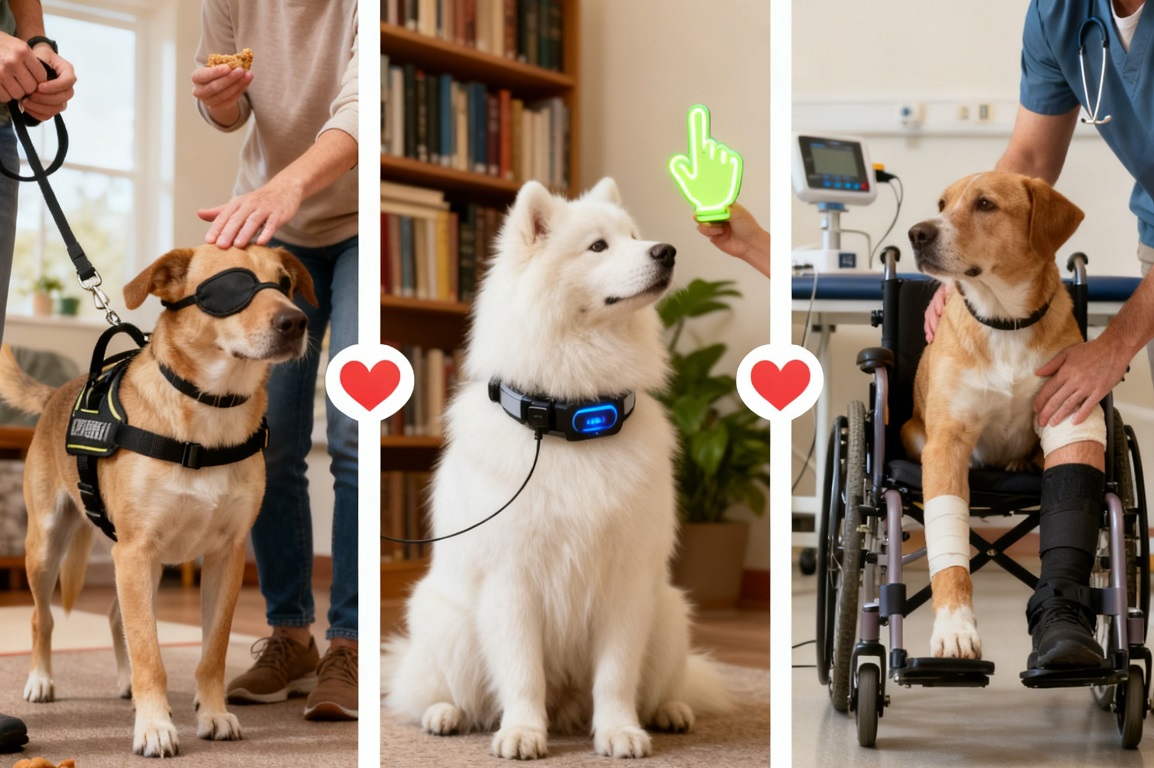
- People with mobility aids (wheelchairs, crutches)
- People carrying objects (umbrellas, bags, boxes)
- People wearing costumes (Halloween, holiday)
Environmental Experiences:
Surfaces & Textures:
- Grass, dirt, sand, gravel
- Tile, wood, linoleum, carpet
- Grates, metal surfaces, bridges
- Wet surfaces, puddles (shallow)
- Uneven terrain, gentle slopes
Locations & Settings:
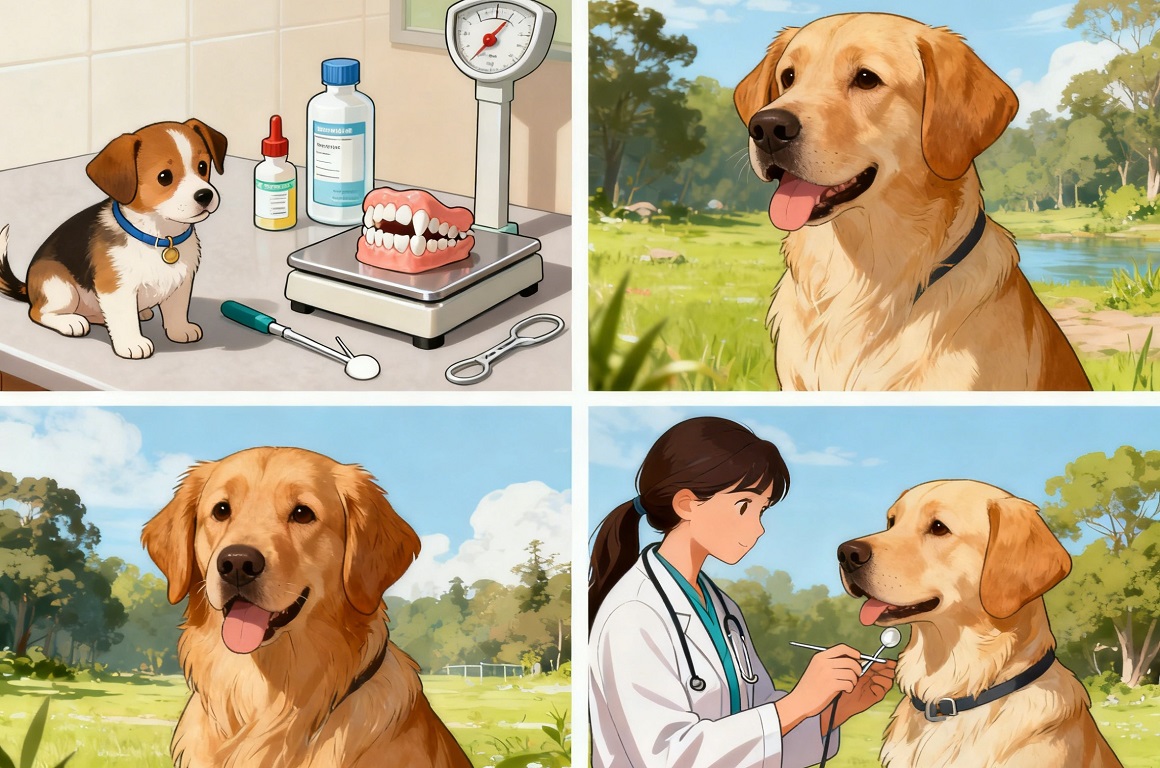
- Veterinary clinics (happy visits only)
- Grooming salons (positive introductions)
- Pet-friendly stores
- Quiet parks, then busier ones
- Car rides (short, positive destinations)
Safe Socialization Before Full Vaccination
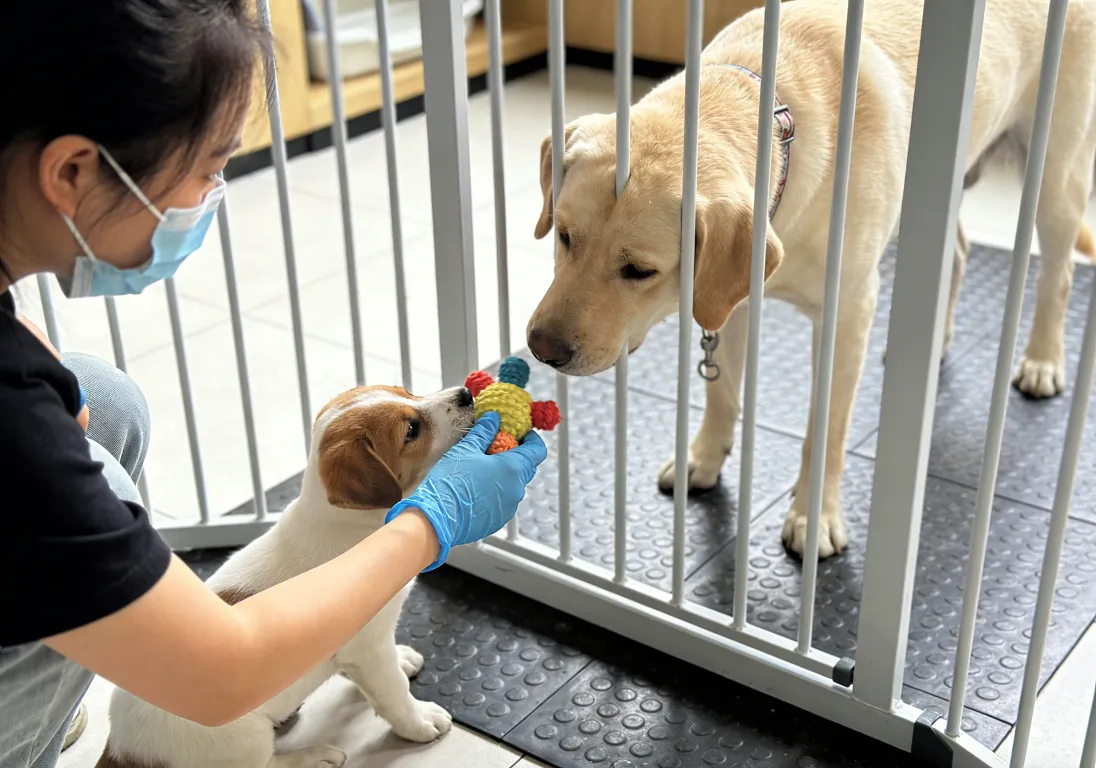
Creative approaches allow socialization while minimizing health risks for young puppies
| Risk Level | Safe Activities | How to Implement | Parvovirus Risk Management | Alternative Approaches |
|---|---|---|---|---|
| Very Safe | Carried in public, stroller/cart rides | Use puppy carrier/sling, pet stroller | No ground contact in public areas | Window socialization, observe from safe distance |
| Low Risk | Private homes of vaccinated dogs | Playdates with known healthy dogs | Ensure other dogs are vaccinated | Controlled puppy classes with vaccination requirements |
| Moderate Risk | Your own yard (if no stray access) | Supervised yard time, novel items introduced | No unknown dog feces present | Portable playpen with clean surface |
| High Risk | Public parks, pet stores, sidewalks | AVOID until fully vaccinated | Parvovirus can live in soil for years | Carry or use cart, no ground contact |
| Controlled Risk | Puppy socialization classes | Reputable classes with vaccination proof required | Facility should disinfect between classes | Home socialization with varied people/items |
Creating Positive Associations: The Foundation of Good Socialization
Counter-Conditioning Protocol:
- Identify threshold: Distance where dog notices but isn't fearful
- Pair with treats: Trigger appears = high-value treats appear
- Trigger disappears = treats stop: Clear association
- Gradually decrease distance: Only when dog remains relaxed
- Go at dog's pace: Some dogs need days/weeks per step
Desensitization Techniques:
- Start small: Low volume/weak version of scary thing
- Positive pairing: Scary thing = good things happen
- Gradual exposure: Increase intensity very slowly
- Watch for stress signals: Stop before dog shows fear
- Multiple short sessions: Better than one long session
Reading Canine Body Language During Socialization:
Signs of Positive Engagement:
- Soft, relaxed body posture
- Loose, wagging tail at mid-height
- Approaching voluntarily
- Play bows, relaxed open mouth
- Taking treats readily
Early Stress Signals (Stop Immediately):
- Lip licking, yawning when not tired
- Turning head away, avoiding eye contact
- Low body posture, tail tucked slightly
- Freezing in place, stiffening
- Excessive panting when not hot
Dog-to-Dog Socialization: Appropriate Interactions
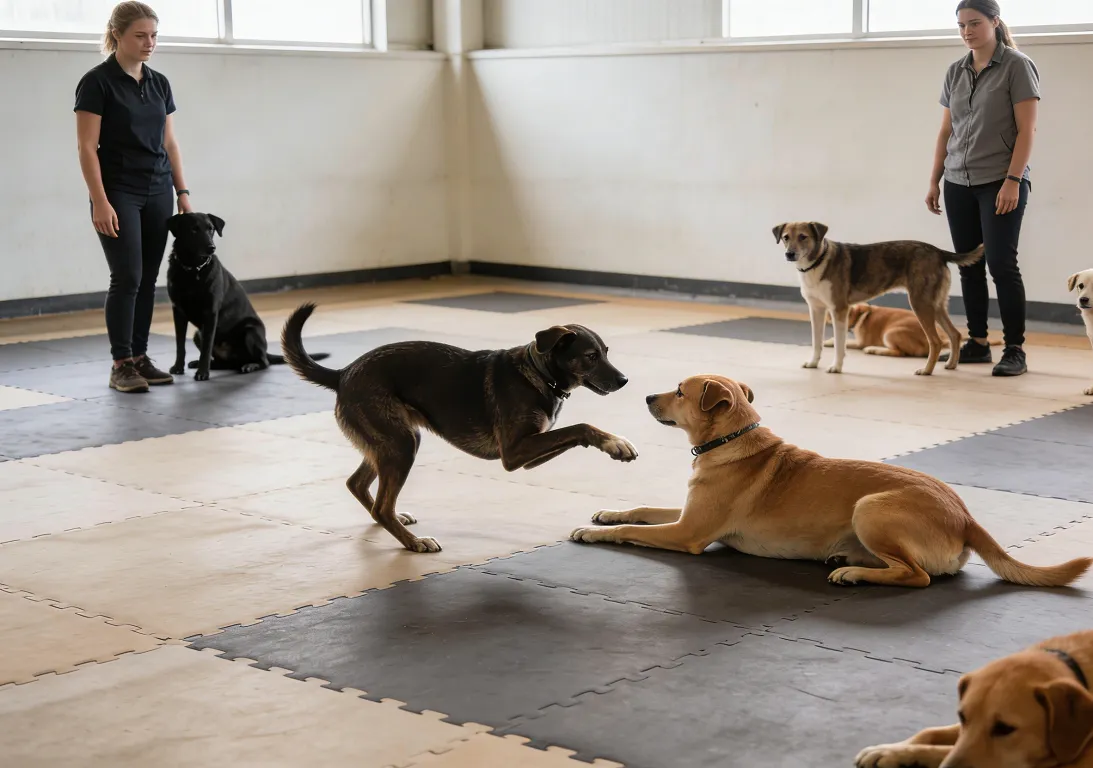
Quality dog interactions teach social skills and build confidence in canine communication
| Interaction Type | Appropriate For | How to Facilitate | Signs of Good Play | When to Interrupt |
|---|---|---|---|---|
| Puppy Playdates | Puppies similar age/size, vaccinated | Neutral territory, short sessions, supervision | Role reversal, self-handicapping, play bows | Bullying, one-sided play, excessive mounting |
| Adult Dog Introductions | Adult dogs with known good social skills | Parallel walking first, then brief meetings | Mutual sniffing, loose body language | Stiffening, staring, raised hackles |
| Supervised Dog Parks | Socially confident dogs with good recall | Off-peak hours, small dog areas if appropriate | Group play with breaks, checking in with owners | Ganging up, resource guarding, excessive chasing |
| Structured Play Groups | Dogs with similar play styles/energy | Professional supervision, small groups | Appropriate bite inhibition, respecting boundaries | Over-arousal, ignoring "back off" signals |
| Parallel Activities | Dogs who prefer proximity without direct interaction | Walking together, sniffing nearby | Comfortable ignoring each other, relaxed demeanor | Tension, fixating, attempts to avoid |
Socialization for Adult and Rescue Dogs
Assessing Rescue Dogs:
- Observation period: 2-4 weeks to see true personality
- Identify triggers: Note what causes fear/arousal
- Medical evaluation: Rule out pain-related behavior
- Previous history: Gather any available information
- Start slow: Assume minimal previous socialization
Adult Dog Socialization Protocol:
- Management first: Prevent rehearsal of unwanted behaviors
- Counter-conditioning: Create new positive associations
- Controlled exposures: Brief, positive, at safe distance
- Realistic expectations: May not become "social butterfly"
- Quality over quantity: Few positive experiences better than many stressful ones
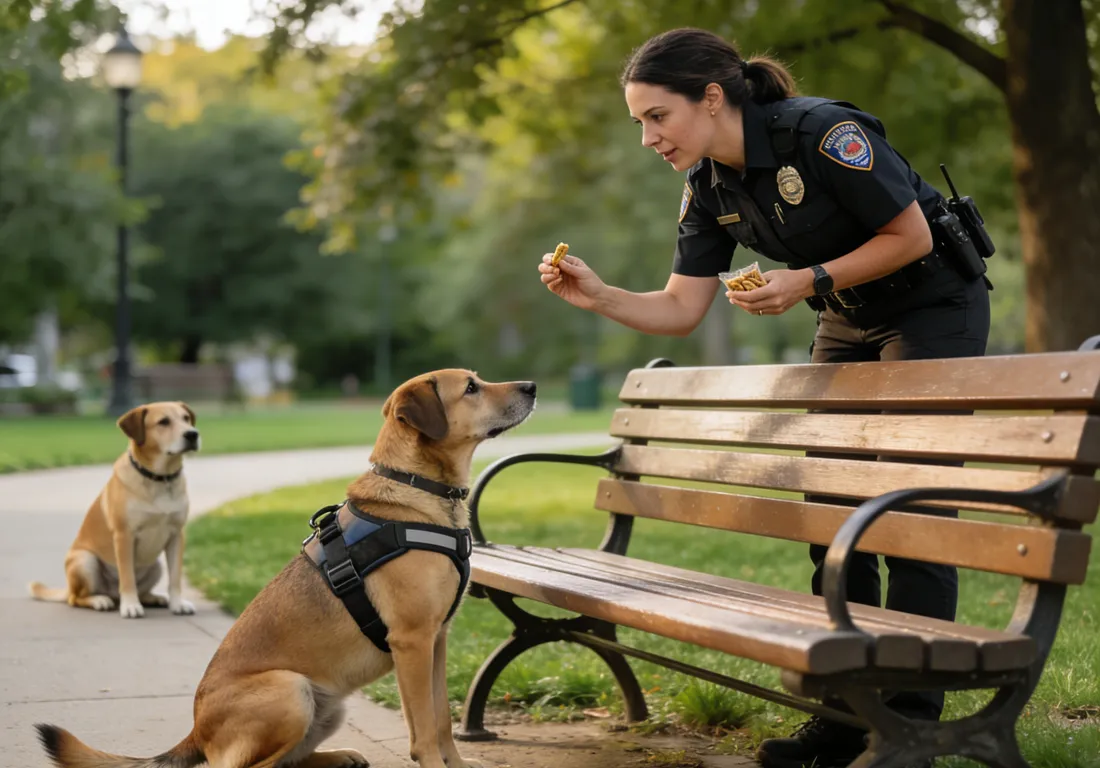
It's never too late to build confidence and social skills in adult dogs
Common Issues in Under-Socialized Adult Dogs:
- Fear of specific stimuli: Men, children, other dogs
- Environmental anxiety: New places, loud noises
- Handling sensitivity: Grooming, vet visits, nail trims
- Leash reactivity: Barking/lunging at triggers
- Resource guarding: Food, toys, space, people
- Solutions:
- Professional behavior consultation
- Medication in severe cases (from vet)
- Structured desensitization programs
- Management to prevent practice
- Patience and realistic expectations
Socialization with Other Species
| Species | Safety Considerations | Introduction Protocol | Signs of Appropriate Interest | Red Flags |
|---|---|---|---|---|
| Cats | Never leave unsupervised, respect cat's escape routes | Barrier introduction first, scent swapping, controlled visual access | Calm observation, looking away, loose body language | Staring, stiffening, lunging, high-pitched whining |
| Small Animals (rabbits, guinea pigs) |
High prey drive risk, always use secure barriers | Heavily reinforced "leave it," muzzled introductions if any prey drive | Minimal interest, easy redirection, calm demeanor | Freezing, staring, lunging, intense focus |
| Livestock (horses, chickens) |
Safety for both animals, leash control essential | Distance work first, gradual approach if appropriate | Calm observation, responsiveness to handler | Chasing instinct, barking, pulling toward animals |
| Wildlife (squirrels, birds) |
Manage environment, prevent chasing practice | Distance, redirection, high-value rewards for ignoring | Noticing then disengaging, checking in with handler | Fixation, whining, pulling, inability to redirect |
Common Socialization Mistakes and How to Avoid Them
Mistake: Flooding (Overwhelming Exposure)
- What it is: Forcing dog to endure scary situation until they "get used to it"
- Why it's harmful: Creates lasting fear, can cause shutdown or aggression
- Better approach: Gradual exposure at dog's comfort level
- Example: Taking fearful puppy to crowded festival vs. watching from distance
- Prevention: Watch for stress signals, let dog set pace
Mistake: Ignoring Breed Tendencies
- Example: Expecting guard breeds to greet everyone enthusiastically
- Reality: Some breeds are naturally more reserved/wary of strangers
- Better approach: Socialize for confidence, not necessarily friendliness
- Goal: Dog who can handle novelty without fear, not necessarily seeking interaction
- Consideration: Respect genetic predispositions while building skills
Mistake: Stopping at Adolescence
- Common belief: "Socialization is just for puppies"
- Reality: Social skills need maintenance throughout life
- Consequences: Dogs can become less social without practice
- Maintenance plan: Regular positive experiences, continued training
- Frequency: Weekly novel positive experiences ideal
Mistake: Only Socializing with "Dog People"
- Limitation: Dogs only learn to interact with people who know dogs
- Problem: May still be fearful of people who move/act differently
- Solution: Seek out diverse interactions intentionally
- Examples: People using mobility aids, children playing, construction workers
- Goal: Confidence with human diversity
Socialization in Urban vs. Rural Environments
Urban Socialization Priorities:
- Noise desensitization: Traffic, sirens, construction, crowds
- Elevator/escalator training: Positive introductions
- Crowd navigation: Loose leash in tight spaces
- Public transportation: Buses, trains if allowed
- Varied surfaces: Grates, smooth floors, stairs
- Diverse people: High population density exposure
Rural Socialization Priorities:
- Wildlife exposure: Controlled introductions to farm animals
- Vehicle variety: Tractors, ATVs, farm equipment
- Sound desensitization: Gunshots (hunting dogs), machinery
- Water exposure: Streams, ponds, swimming if appropriate
- Isolation tolerance: Comfort being alone sometimes
- Off-leash reliability: Strong recall essential
Suburban Socialization Priorities:
- Mixed environments: Balance of urban/rural experiences
- Dog park skills: Appropriate social interaction
- Visitor management: Doorbell, package delivery
- Children exposure: Neighborhood kids playing
- Wildlife management: Squirrels, rabbits, deer
- Community events: Parades, outdoor gatherings
Measuring Socialization Success
Signs of Well-Socialized Dog:
- Recovers quickly from startling events
- Approaches novel items/people with curiosity rather than fear
- Can be redirected from interesting/disturbing stimuli
- Exhibits appropriate social behavior with other dogs
- Tolerates handling/grooming/vet procedures
- Shows confidence in new environments
Success Metrics (Not Perfection):
- Ability to cope with novelty, not necessarily enjoy it
- Recovery time decreases with repeated positive exposures
- Increasing thresholds for stressful stimuli
- More voluntary engagement with environment
- Decreased avoidance/fear behaviors
- Improved ability to learn in distracting environments
When to Seek Professional Help
| Situation | Recommended Professional | Services Provided | Expected Timeline | Success Indicators |
|---|---|---|---|---|
| Severe Fear/Phobia | Veterinary Behaviorist | Medical assessment, behavior modification plan, possible medication | 3-12 months minimum | Reduced panic responses, increased threshold distance |
| Dog Aggression | Certified Behavior Consultant | Safety assessment, management plan, controlled introductions | 6-18 months | Ability to pass other dogs at distance, reduced reactivity |
| Human-Directed Aggression | Veterinary Behaviorist + Trainer | Medical evaluation, safety planning, desensitization | 12+ months, lifelong management | Improved warning signals, reduced bite risk |
| Generalized Anxiety | Veterinarian + Trainer | Medical treatment, environmental management, confidence building | 6-12 months | Increased exploratory behavior, decreased stress signals |
Conclusion: A Lifelong Journey of Confidence Building
Socialization is not a checklist to complete during puppyhood but a lifelong process of building and maintaining your dog's confidence in an ever-changing world. The goal isn't to create a dog who loves every person and situation, but one who can navigate novelty with resilience, communicate discomfort appropriately, and recover quickly from unexpected events.
Remember that every dog is an individual with unique genetic predispositions, past experiences, and personality traits. What matters most is meeting your dog where they are, progressing at their pace, and celebrating each small victory in their journey toward becoming a confident, well-adjusted companion who can fully participate in your shared life.
"The most beautiful outcome of good socialization isn't a dog who greets everyone with wagging tail, but one who moves through the world with quiet confidence—curious but not reckless, alert but not fearful, engaged but not overwhelmed."
About the Author
Dr. Elena Rodriguez, DVM, DACVB is a board-certified veterinary behaviorist with 15 years of experience specializing in canine socialization and fear-related disorders. She has developed socialization protocols used by breeders, shelters, and veterinary practices nationwide and regularly conducts research on critical period development in dogs.