Housebreaking Your Dog: Most Effective Methods and Tips
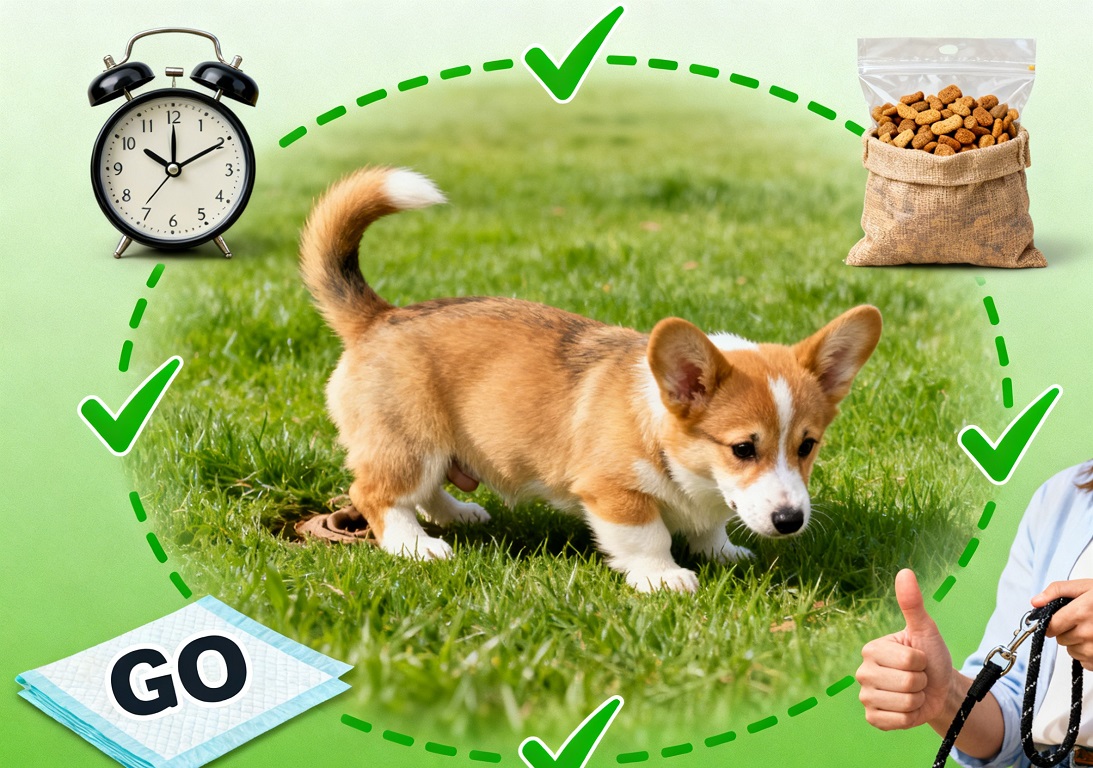
Consistent training and positive reinforcement are key to housebreaking success
The Complete Guide to Successful Housebreaking
Housebreaking your dog is one of the most important foundations of pet ownership. Whether you have a new puppy or an adult rescue dog, proper potty training creates a harmonious home environment and prevents frustration for both you and your pet. This comprehensive guide covers the most effective methods and tips for housebreaking success.
"Consistency, patience, and positive reinforcement are the three pillars of successful housebreaking. Remember: dogs don't have accidents out of spite - they simply need to learn where and when to go."
— Sarah Johnson, Certified Professional Dog Trainer
Understanding Your Dog's Elimination Needs
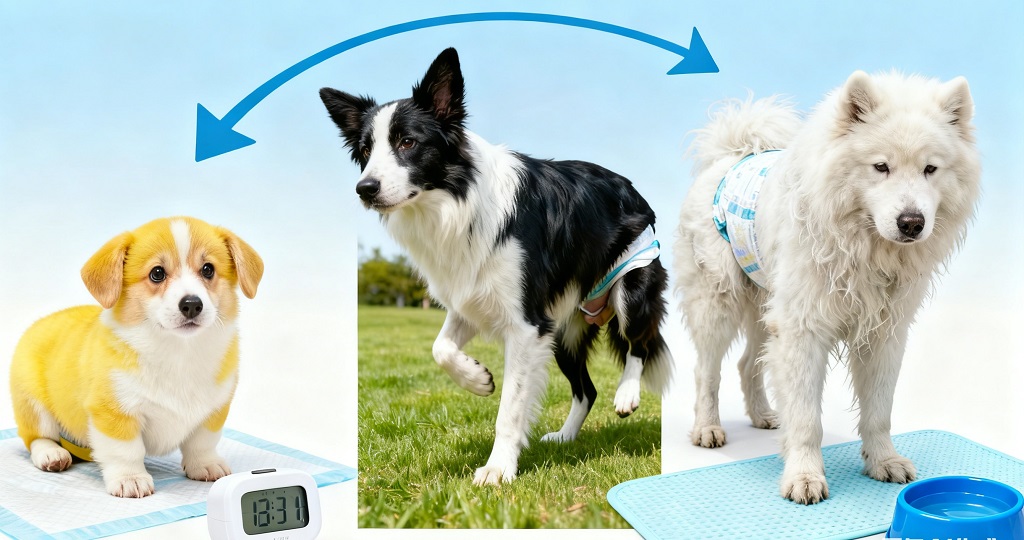
Understanding your dog's physical development helps set realistic expectations
| Age | Bladder Control | Typical Frequency | Key Considerations |
|---|---|---|---|
| 8-10 Weeks | Very limited (1-2 hours) | Every 30-60 minutes when awake | Extremely frequent outings, immediate after waking/eating/playing |
| 10-12 Weeks | Developing (2-3 hours) | Every 1-2 hours | Can hold slightly longer, still need frequent opportunities |
| 3-6 Months | Improving (3-4 hours) | Every 2-4 hours | Better control, may signal need to go |
| 6+ Months | Good control (4-6+ hours) | Every 4-6 hours | Fully developed bladder, occasional accidents may still occur |
| Adult Dogs | Full control (6-8 hours) | 3-5 times daily | Rescue dogs may need retraining, medical issues can affect control |
Method 1: The Crate Training Approach
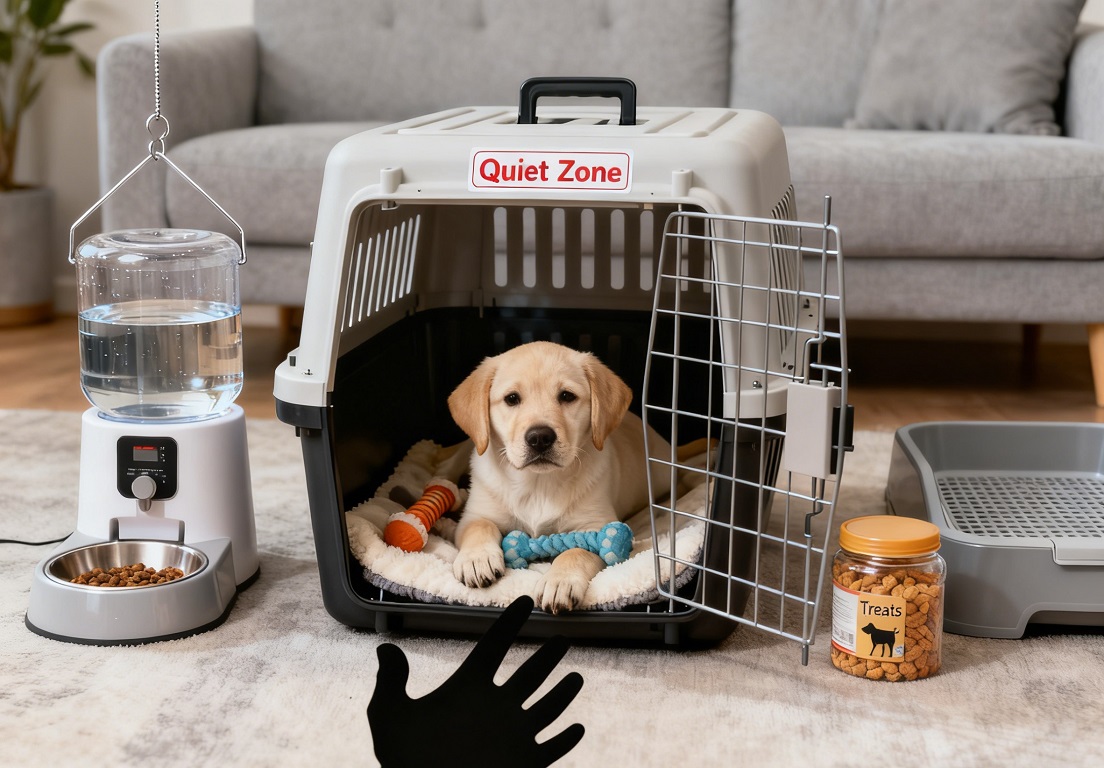
A properly sized crate creates a safe den and encourages bladder control
How Crate Training Works:
Dogs naturally avoid soiling their sleeping areas. A properly sized crate becomes their den, encouraging them to "hold it" until they can eliminate in the appropriate place.
Proper Crate Setup:
- Correct Size: Dog should be able to stand, turn around, and lie down comfortably
- Comfortable Bedding: Washable mat or blanket (unless dog chews bedding)
- Location: Quiet area but near family activities
- Positive Association: Feed meals in crate, provide special treats
- Never as Punishment: Crate should always be a positive space
- Gradual Introduction: Start with short periods, build duration slowly
Crate Training Schedule:
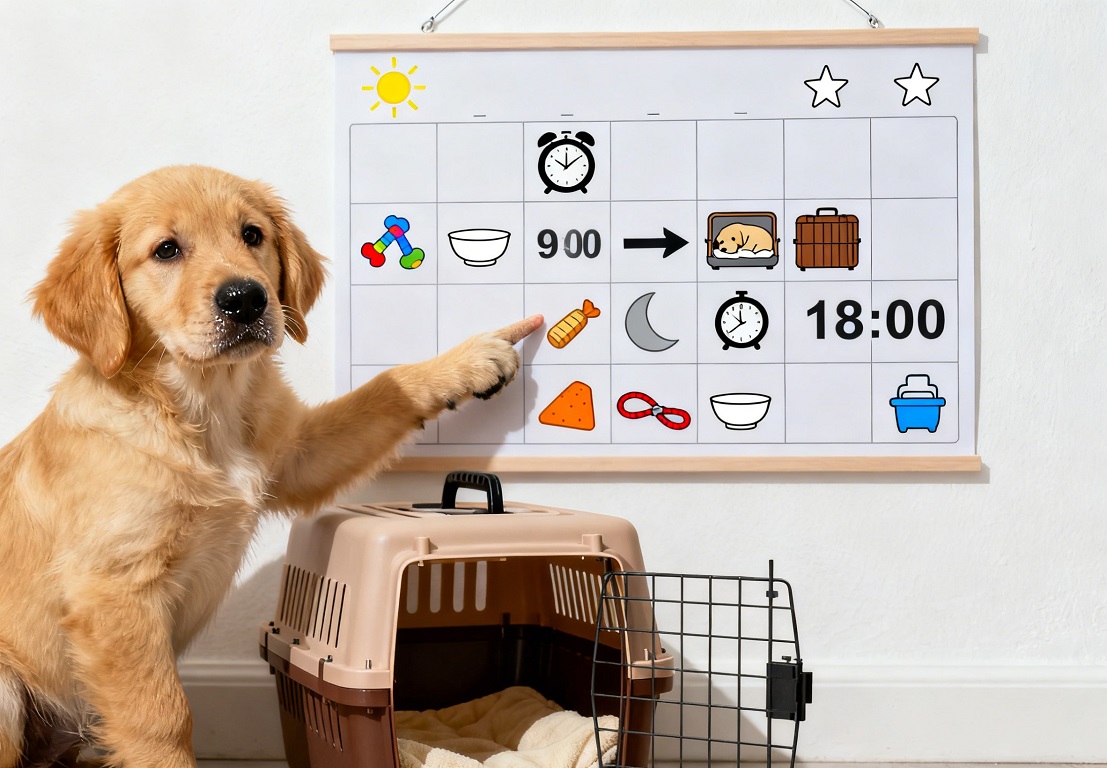
A consistent schedule is the foundation of successful housebreaking
| Time | Activity | Duration | Key Points |
|---|---|---|---|
| Morning | Immediate potty break, then breakfast, then potty again | 15-30 minutes after eating | Dogs typically need to eliminate shortly after eating |
| Mid-Morning | Play/training session, then potty, then crate time | 1-2 hours crate time | Puppies can typically hold for 1 hour per month of age |
| Afternoon | Potty break, lunch (if puppy), play, potty, crate | 1-2 hours crate time | Consistent schedule helps establish routine |
| Evening | Potty, dinner, potty, family time, potty before bed | Varies | Last water 2-3 hours before bedtime |
| Overnight | Crate sleeping | 6-8 hours (adults), 4-6 (puppies) | Take out immediately upon waking |
Method 2: The Tethering Technique
How Tethering Works:
- Dog is leashed to you or nearby furniture
- Prevents sneaking off to have accidents
- Helps you learn their pre-potty signals
- Use 6-foot leash attached to your belt or nearby anchor
- Dog has limited freedom but can move around you
- Great alternative for dogs who dislike crates
Best For:
- Dogs who become anxious in crates
- Supervision during family time
- Learning to recognize potty signals
- Transition phase from crate to full freedom
- Multi-dog households where crates aren't practical
- Dogs with separation anxiety issues
Method 3: The Confined Space Approach
Creating a Potty-Training Zone:
- Baby Gates: Confine to easy-to-clean areas (kitchen, laundry room)
- Exercise Pen: Larger than crate, allows more movement
- Floor Protection: Washable rugs, puppy pads in designated area
- Gradual Expansion: Increase space as reliability improves
- Supervision Required: Still need to watch for potty signals
- Multiple Options: Can combine with crate inside pen
The 5 Essential Steps to Housebreaking Success
Step-by-Step Training Process:
- Establish Routine: Consistent feeding, watering, and potty schedule
- Choose Designated Area: Always take to same spot for elimination
- Use Consistent Cue Words: "Go potty," "Do your business," etc.
- Immediate Reward: Treat and praise within 2 seconds of success
- Supervise Constantly: When not confined, keep eyes on your dog
- Interrupt Accidents Gently: Clap hands, say "Oops!", take outside immediately
- Clean Thoroughly: Enzymatic cleaners to remove all scent
- Never Punish: Accidents are training opportunities, not misbehavior
Potty Schedule Template
| Situation | When to Go Out | Success Tips |
|---|---|---|
| Upon Waking | Immediately, every morning | Carry puppy outside to prevent accidents en route |
| After Eating/Drinking | 15-30 minutes after meals | Most dogs need to eliminate after consuming |
| After Playing | Immediately after play sessions | Excitement stimulates elimination |
| After Napping | Immediately upon waking from sleep | Sleeping bodies still process waste |
| Before Confinement | Right before crate or pen time | Prevents accidents in confined space |
| Before Bed | Last thing before bedtime | Reduces overnight accidents |
| Transition Times | When moving between activities | Going outside, visitors arriving, etc. |
Recognizing Potty Signals
Common Pre-Potty Behaviors:
- Sniffing the ground intensely
- Circling in one spot
- Whining or pacing near door
- Suddenly stopping play
- Going to previously soiled areas
- Restlessness or sudden attention
- Squatting position (obvious but often missed)
Subtle Signals:
- Walking toward door then looking back
- Pawing at door or your leg
- Barking or unusual vocalizations
- Changing breathing pattern
- Staring intently at you
- Moving to a corner or hidden area
- Shifting weight uncomfortably
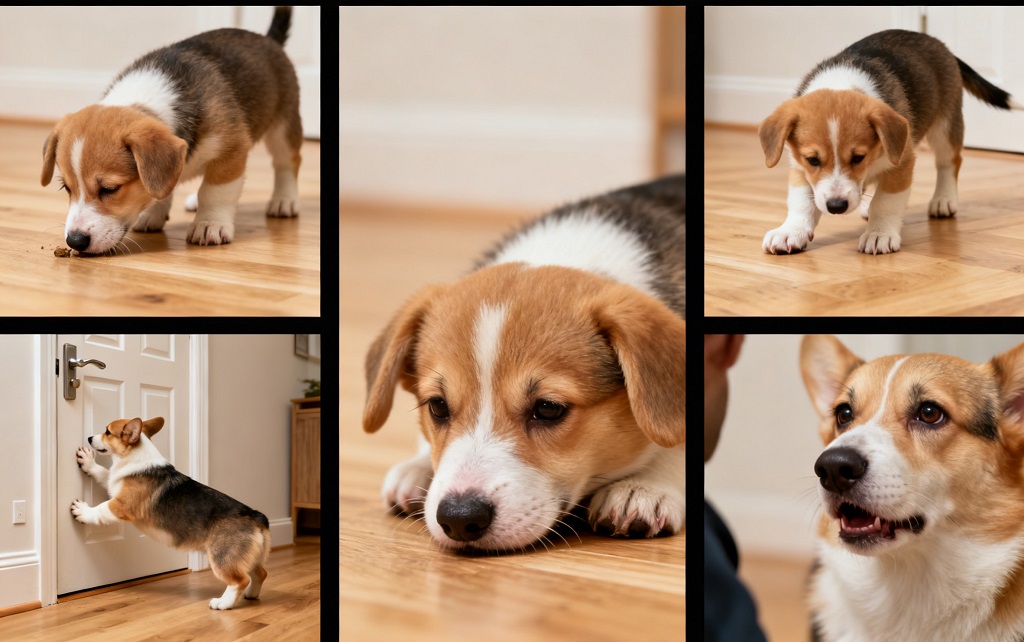
Learning to recognize your dog's signals prevents accidents and builds communication
Housebreaking Adult and Rescue Dogs
Special Considerations for Adult Dogs:
- Previous Habits: May have established preferences or fears
- Medical Issues: Rule out UTIs, diabetes, incontinence first
- Anxiety Factors: New environment may cause regression
- Marking Behavior: Intact males may need neutering consultation
- Patience Required: Older habits take longer to change
- Management First: Prevent accidents while building new habits
- Thorough Cleaning: Essential to remove previous scent markers
Common Housebreaking Problems and Solutions
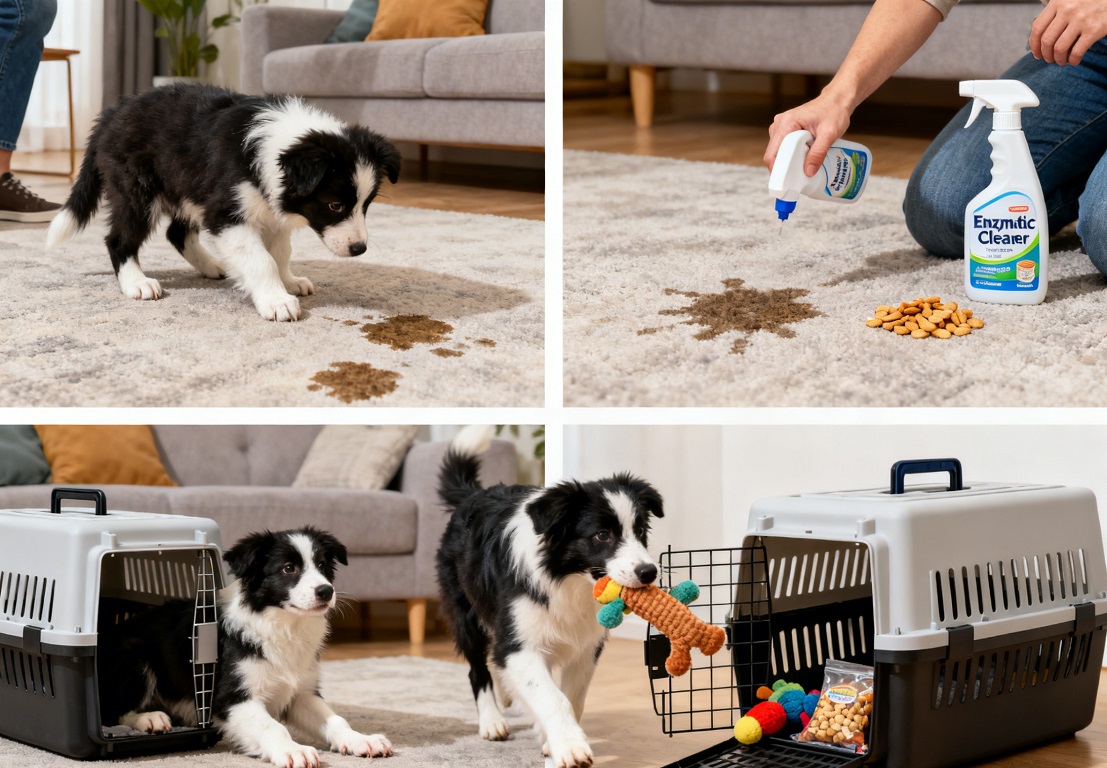
Most housebreaking problems have identifiable causes and solutions
| Problem | Possible Causes | Solutions |
|---|---|---|
| Frequent Accidents | Schedule too infrequent, medical issue, anxiety | Increase outing frequency, vet check, reduce stress |
| Only Goes With Leash On | Association formed with leash only | Gradually remove leash in fenced area, use long line |
| Will Not Go in Designated Area | Surface preference, distraction, previous negative experience | Try different surfaces, reduce distractions, positive associations |
| Eliminates in Crate | Crate too large, medical issue, left too long | Adjust crate size, vet check, shorten confinement periods |
| Regression After Progress | Schedule change, stress, medical issue, adolescence | Return to basics, rule out medical, maintain consistency |
| Submissive/Excited Urination | Emotional response, not housebreaking issue | Ignore when arriving, greet calmly outdoors, build confidence |
Cleaning Accidents Properly
Essential Cleaning Protocol:
- Blot: Remove as much liquid as possible with paper towels
- Enzymatic Cleaner: Apply according to product instructions
- Soak Time: Allow cleaner to work (usually 10-15 minutes)
- Blot Again: Remove cleaner and dissolved waste
- Repeat if Needed: For set-in stains or strong odors
- Avoid Ammonia: Urine contains ammonia, using ammonia cleaners attracts back
- Black Light: Use to find all affected areas
- Professional Cleaning: For carpets with multiple accidents
Recommended Cleaners:
- Nature's Miracle Advanced Formula
- Rocco & Roxie Professional Strength
- Simple Solution Extreme Pet Odor Remover
- Bissell Pet Stain & Odor Remover
- DIY option: White vinegar and baking soda (for non-carpet surfaces)
Transitioning to Full House Freedom
Readiness Signs:
- No accidents for 4+ weeks
- Consistently signals need to go out
- Eliminates promptly when taken out
- Can be trusted unsupervised for short periods
- Understands and responds to potty cues
- Age-appropriate bladder control
Gradual Freedom Process:
- Start with one room for 15 minutes
- Gradually increase time and space
- Always supervise initially
- Use baby gates to limit access
- Continue scheduled potty breaks
- Have dog earn freedom through good behavior
- Be prepared to go back a step if accidents occur
Housebreaking Timeline and Realistic Expectations
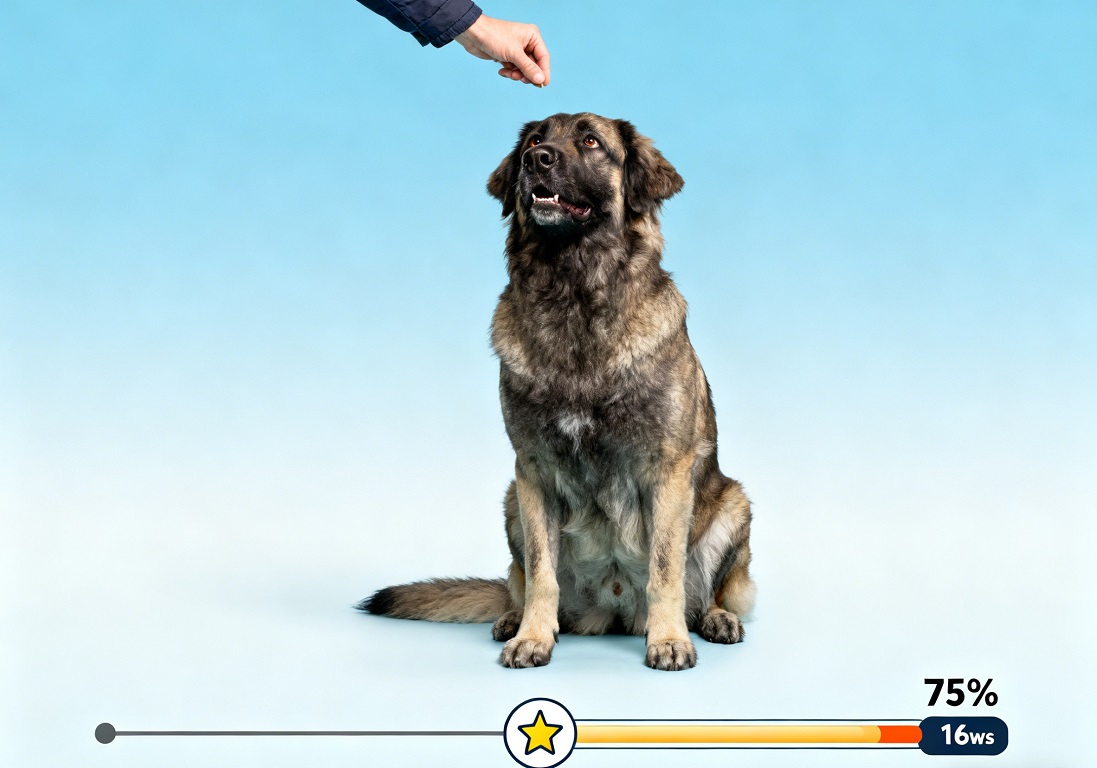
Understanding the typical progression helps maintain patience and consistency
| Time Period | Typical Progress | Realistic Goals | Common Challenges |
|---|---|---|---|
| Weeks 1-2 | Learning routine, frequent accidents | Establish schedule, recognize signals | Inconsistent schedule, missed signals |
| Weeks 3-4 | Fewer accidents, beginning to signal | 75% success rate, understanding of designated area | Regression, distraction during outings |
| Months 2-3 | Consistent success, reliable signaling | 90% success rate, can hold for appropriate periods | Adolescence regression, schedule changes |
| Months 4-6 | Fully housebroken, occasional accidents | 99% reliability, appropriate freedom in home | Medical issues, major life changes |
| Adult Dogs | Varies widely based on history | 2-8 weeks for most with consistent training | Previous habits, anxiety, medical conditions |
When to Seek Professional Help
"If you're feeling frustrated or making no progress after consistent effort, don't hesitate to seek professional guidance. Sometimes an outside perspective can identify issues you might be missing."
— Michael Torres, International Association of Animal Behavior Consultants
Consider Professional Assistance If:
- Multiple daily accidents despite consistent schedule
- Dog shows fear or anxiety about elimination
- Medical issues have been ruled out but problems persist
- You're experiencing extreme frustration or considering rehoming
- Dog is over 6 months with no progress
- Multiple methods have failed
- Marking behavior is excessive (especially in neutered dogs)
Housebreaking Success Checklist
Monthly Progress Assessment:
- ✓ Consistent feeding and watering schedule established
- ✓ Regular potty breaks on predictable schedule
- ✓ Dog eliminates promptly in designated area
- ✓ Accidents are decreasing in frequency
- ✓ You can recognize potty signals consistently
- ✓ Proper cleaning protocol followed for all accidents
- ✓ Appropriate confinement method being used
- ✓ Positive reinforcement used for successful eliminations
- ✓ No punishment for accidents
- ✓ Veterinary issues ruled out if problems persist
Conclusion: Patience and Consistency Lead to Success
Housebreaking is a process that requires patience, consistency, and understanding. Remember that every dog learns at their own pace, and setbacks are normal. The foundation you build during housebreaking will establish communication and trust that benefits all aspects of your relationship with your dog.
Celebrate the small victories along the way - the first time your dog signals to go out, the first accident-free day, the first time they eliminate immediately upon reaching their spot. These milestones mark progress toward the ultimate goal: a happy, confident dog who understands house rules and a harmonious home for everyone.
"Housebreaking isn't just about teaching your dog where to go - it's about teaching them to communicate with you. Every successful outing builds that communication and strengthens your bond."
About the Author
Jessica Miller is a certified professional dog trainer specializing in puppy development and behavior modification. With over 12 years of experience helping thousands of dogs and their owners through the housebreaking process, she has developed proven methods that work for dogs of all ages and backgrounds.